What First-Time Bourbon Drinkers Should Know Before Their First Visit
Visiting a bourbon distillery for the first time can be exciting, educational, and a little intimidating if you do not know what to expect. Bourbon culture has its own language, rituals, and pace, and many first-time visitors worry about asking the wrong questions or not understanding what they are tasting.
This beginner-focused guide is designed to set expectations, reduce anxiety, and help you get more enjoyment from your first distillery visit, even if you have never considered yourself a bourbon drinker.
You Do Not Need to Be a Bourbon Expert
One of the biggest misconceptions is that distillery visits are only for serious bourbon enthusiasts. In reality, many visitors are first-timers who are simply curious.
Distillery staff are accustomed to beginners and typically explain:
- How bourbon is mad
- What different grains contribute to flavor
- Why barrels matter
- How to taste bourbon properly
There is no expectation that you know mash bills, proofs, or brand history before you arrive.
Expect Small Pours, Not Full Drinks
Distillery tastings focus on education and flavor, not consumption.
What most first-time visitors are surprised by:
- Tastings usually involve small pours, often 0.25 to 0.5 ounces
- You may taste multiple bourbons, but total alcohol consumed is moderate
- Spit buckets are commonly available and acceptable to use
You are never expected to finish a pour. Sipping slowly is encouraged.
Bourbon Tasting Is About Smelling First
New bourbon drinkers often rush straight to sipping. Experienced tasters spend more time nosing the bourbon than drinking it.
How to approach your first tasting:
- Swirl gently to release aromas
- Smell with your mouth slightly open
- Take note of sweetness, spice, fruit, or oak before sipping
Smell prepares your palate and helps you identify flavors more easily.
Your First Sip Might Taste Strong and That Is Normal
Bourbon is typically higher proof than wine or beer, and the first sip can feel intense.
Important things to know:
- The first sip often feels hotter than the rest
- Take very small sips
- Let the bourbon rest on your tongue before swallowing
Over time, your palate adjusts, and flavors become more noticeable.
There Is No Wrong Answer When Describing Flavor
Many beginners worry about saying the wrong thing when asked what they taste.
The truth:
- Flavor perception is subjective
- You do not need to identify specific notes
- Simple descriptions like sweet, spicy, smooth, or oaky are perfectly valid
There are no correct or incorrect tasting notes. What matters is what you experience.
Proof Matters More Than Age
New bourbon drinkers often assume older bourbon is always better. In reality, proof level often has a bigger impact on how bourbon tastes and feels.
What to keep in mind:
- Higher proof means more alcohol intensity
- Younger bourbon can taste brighter and sweeter
- Lower proof options are often more approachable for beginners
If something tastes too strong, it is likely the proof, not your lack of experience.
Water Is Part of the Tasting Process
Adding a few drops of water to bourbon is common and encouraged.
Why water helps:
- It can soften alcohol burn
- It opens up aroma and flavor
- It makes bourbon more approachable for beginners
You are not diluting quality. You are exploring it.
Distilleries Are Working Facilities
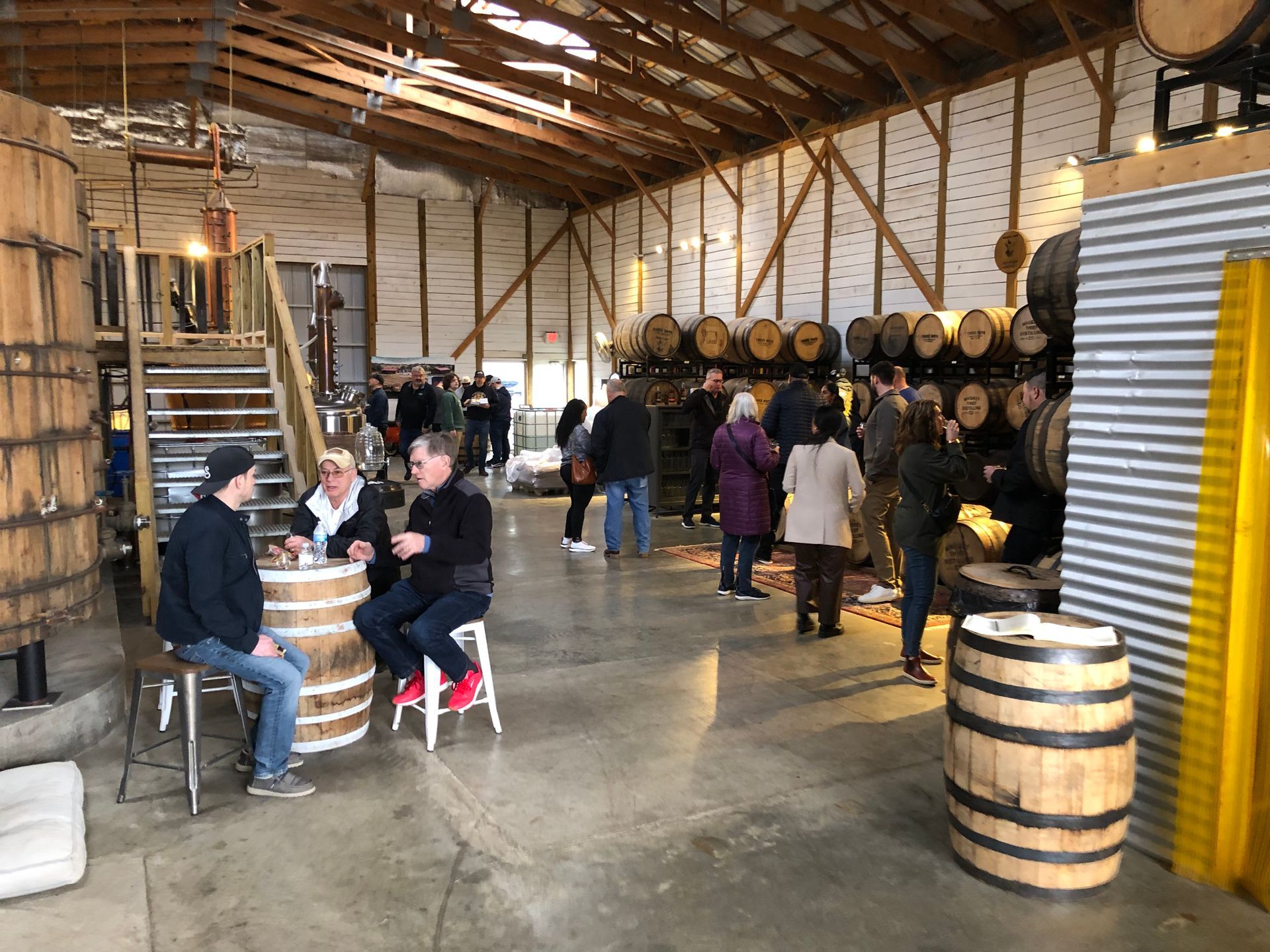
First-time visitors are often surprised by how industrial parts of a distillery can be.
What you might see:
- Large fermenters and stills
- Warehouses with uneven floors and temperature changes
- Strong grain or yeast aromas
Comfortable shoes and weather-appropriate clothing make a big difference.
You Are Allowed to Ask Basic Questions
Distillery educators expect beginner questions and welcome them.
Common beginner questions include:
- What makes bourbon different from whiskey?
- Why does bourbon taste sweet?
- How long does bourbon age?
- What does the mash bill mean?
Asking questions enhances the experience and helps you learn faster.
Bourbon Culture Is About Appreciation, Not Intimidation
At its core, bourbon culture values craftsmanship, patience, and shared enjoyment. It is not about showing off knowledge or drinking the most expensive bottle.
First-time visitors often leave surprised by:
- How welcoming the environment feels
- How much education is included
- How approachable bourbon becomes when explained clearly
You do not need a refined palate to appreciate quality.
Final Thoughts
Your first distillery visit is about learning, not performing. Approach it with curiosity, take your time, stay hydrated, and trust your own senses. The more relaxed you are, the more you will enjoy the experience.
Bourbon is meant to be explored, not rushed. Starting with the right expectations makes all the difference.